February 14, 2026
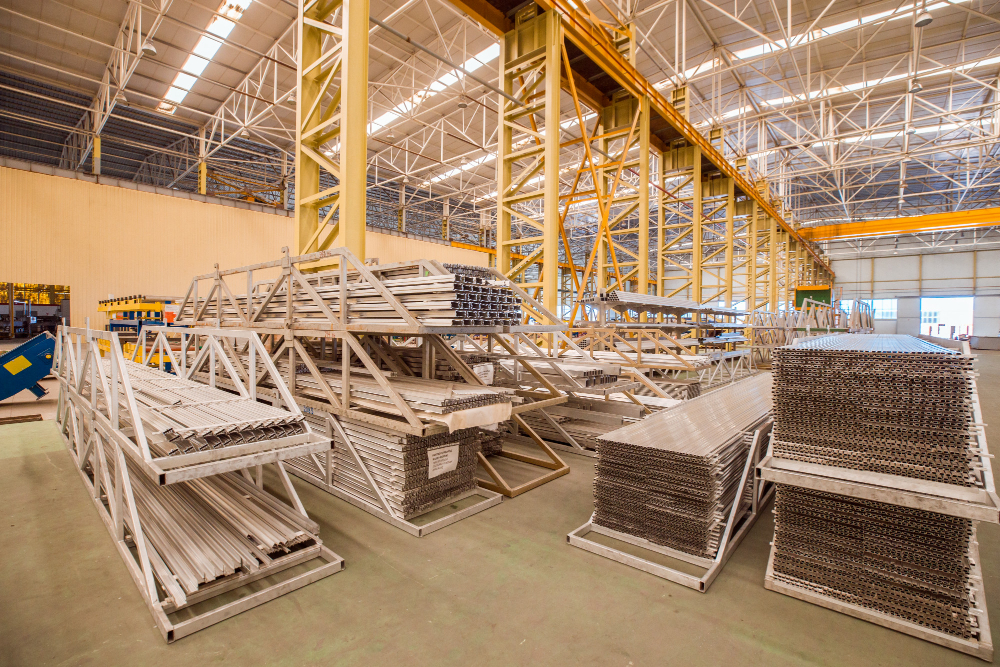
The construction industry is one of the most resource-demanding industries in the world, as it accounts for the consumption of around 60% of the raw materials on Earth. The decision on the use of material is one of the key factors in modern development. The materials chosen can have a considerable effect on the whole life cycle, sustainability, and the value of a project. The trend now is toward innovative construction and building materials that deliver high performance with minimal environmental impact, as companies seek cheaper alternatives to the expensive strategies previously used in construction. Alternative building materials are increasingly used in commercial construction to optimize resource use, enhance efficiency, and keep long-term costs under control.
Innovation is the driving force of all that can materialize at GTI. It guides its commercial initiatives through a smart combination of technical knowledge and a few construction and building materials crafted to offer sustainable, cost-effective alternatives to the business, keeping it mindful of the future.
Why the Construction Industry Is Shifting Towards Alternatives
Alternative building materials are sustainable or engineered materials that substitute for, or hopefully strengthen, traditional building materials such as cement, brick, and solid timber.
Why does this matter? Only one constituent of a structure is its operational emissions. The raw materials (and the processing methods used to obtain them) are the major sources of embodied carbon. In fact, nearly 10% of global energy-related CO₂ emissions can be traced to embodied carbon; therefore, it is common practice to prioritize eco-friendly material choices.
When chosen and used properly, these building and construction materials can make a measurable contribution to sustainability, safety, and long-term value.
Common characteristics include:
- Lower embodied carbon
- Strong to weight low ratio.
- Protection against moisture, fire, and corrosion.
- This will fit prefabrication and modular systems.
Key Benefits Of Using Alternative Building Materials
The use of alternative materials has implications for both the short-term implementation and the long-term value of assets.
1. Better Control Over Construction Material Cost
The use of alternative materials will stabilize construction material costs, as raw materials will be less relied on since volatile ones are used. They are also durable, hence reducing repair and replacement costs in the long run.
Other cost-benefit points are:
- Lower labour costs through higher installation rates.
- Reduced costs of maintenance.
- Better energy efficiency leads to lower operational costs.
2. Sustainability And Environmental Compliance
The construction sector is responsible for roughly 40% of global carbon emissions, which makes it one of the major culprits of climate change. The traditional construction methods also leave a big environmental footprint; the switch to green methods is inevitable.
Numerous alternative construction and building materials are either produced through recycled processes or through low-carbon procedures. This helps commercial projects meet sustainability standards and legal requirements.
Benefits include:
- Reduced carbon footprint
- Green building certifications Support.
- Corporate sustainability alignment.
3. Improved Structural And Functional Performance
Modern alternative systems are designed to be high-performance. Fibre cement boards and engineered panels are materials that offer high load capacities and the ability to withstand harsh conditions.
The benefits of performance include:
- Waterproof and flame-resistant.
- Dimensional stability
- Prolonged lifespan of service as compared to traditional alternatives
- Faster Project Execution
Prefabricated, lightweight materials make it easier to logistically and to install. Quicker schedules reduce wasted time and enhance budget predictability, thereby directly affecting construction material cost
Popular Alternative Building Materials Used In Commercial Projects
Market knowledge: the world’s alternative building materials market is expected to grow at a CAGR of 5.8% from 2025 to 2031, driven by high adoption of these materials across both commercial and infrastructure projects.
Companies can use materials that are widely adopted and have the following benefits:
| Material Type | Key Advantage | Typical Commercial Use |
|---|---|---|
| Fibre Cement Boards | Fire, moisture & pest resistance | Facades, partitions |
| Recycled Steel | Lower embodied carbon | Structural frames |
| Engineered Wood | High strength, less waste | Flooring, wall panels |
| AAC Blocks | Thermal insulation & lightweight | External & internal walls |
| Geopolymer Concrete | Reduced cement usage | Infrastructure projects |
These possibilities give the opportunity to wisely choose construction and building materials without the loss of quality.
How Alternative Materials Add Long-Term Commercial Value
In addition to short-term savings, the use of alternative materials improves the overall lifecycle performance of a given building.
They contribute to:
- Lower energy consumption
- Less downtime as a result of maintenance.
- Better occupant fulfillment and security.
- The cost of stable construction material increases over time.
For asset owners and developers, it means increasing ROI and decreasing operational risk.
How Does GTI Deliver Expertise in Alternative Building Material Solutions?
In GTI, the choice of material is based on performance, compliance, and commercial feasibility.
GTI’s approach focuses on:
- Technical checking of materials.
- Stable quality and reliability of supply.
- Large-scale projects have cost-effective solutions.
- Granted materials to the standards that will be needed tomorrow.
The non-commercial construction and building materials are changing the way commercial projects are planned and implemented. They offer enhanced sustainability, improved performance, and cost control for construction materials throughout the building life cycle.
Need to save on construction materials or achieve high quality? Collaborate with GTI and introduce the idea of high-performance building materials for your next project.
- FAQs
1. Are alternative building materials suitable for large commercial projects?
Environmentally friendly construction materials have an environmental impact because they are eco-friendly, produce minimal pollution, and can be recycled or renewed.
2. How do alternative materials impact construction material cost?
The main advantage of using these materials is that they help reduce construction costs by providing durable materials, faster construction, and reduced maintenance requirements.
3. Are alternative materials environmentally sustainable?
They are generally environmentally friendly because most are made from recycled materials or use less technology than regular building and construction materials.
4. Do alternative materials meet safety standards?
Certainly, reliable materials are subjected to rigorous testing for their fire resistance, structural strength, and durability.
5. Why choose GTI for alternative building materials??
With its technical expertise, quality assurance, and cost-oriented strategies, GTI provides the market with reliable construction and building materials to undertake commercial work.