January 15, 2026
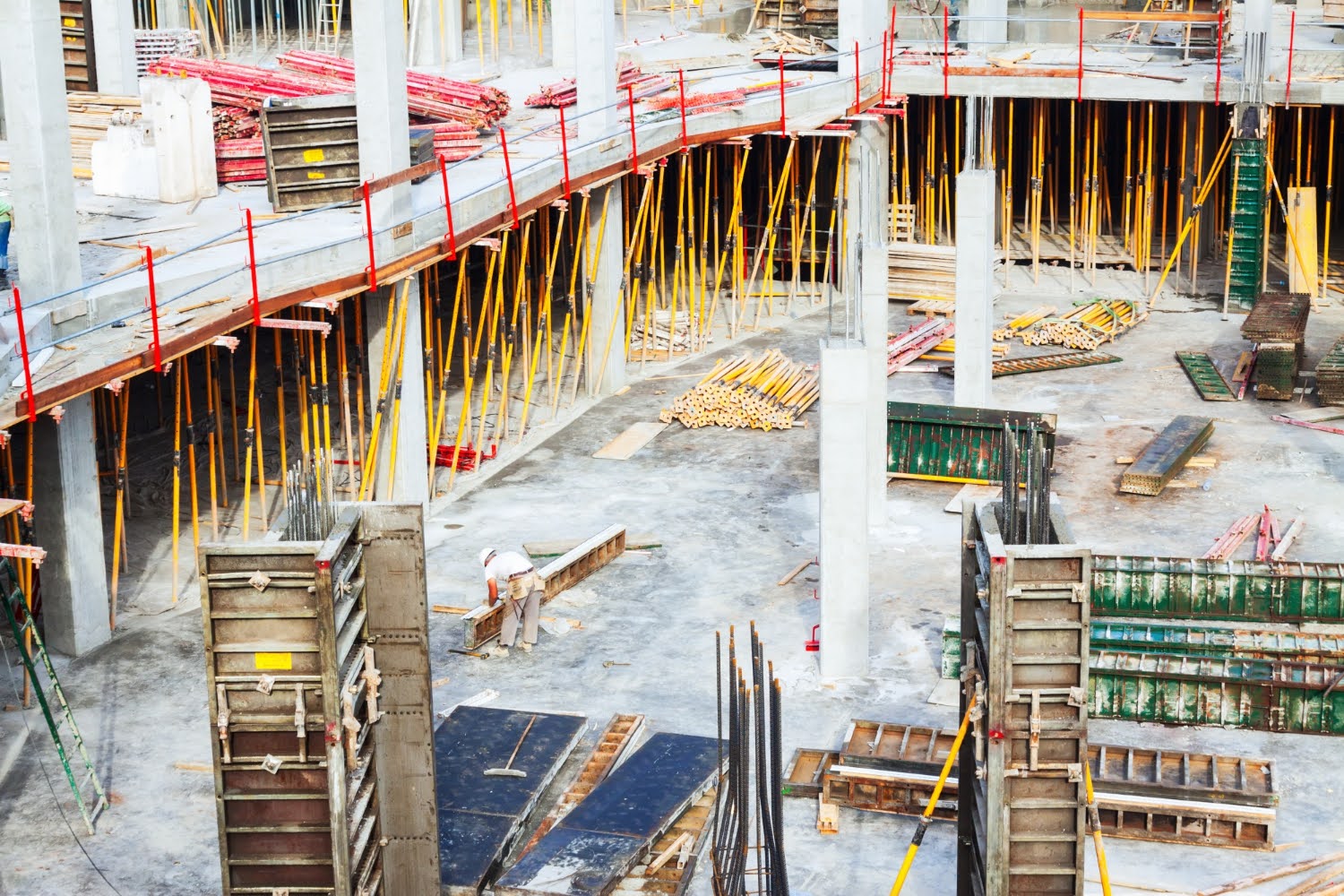
The construction environment in the UAE is informed by an ambitious infrastructural aim, strict construction guidelines, and unfavorable climatic conditions. Whether the building construction materials are used in luxury residential constructions or large-scale industrial construction, the construction materials will directly influence structural safety, energy efficiency, and performance in the long term. At GTI, the choice of materials is made through a regional experience, compliance considerations, and project specifications. Following the rapid development of the cities, wise infrastructure investment, and long-term sustainability objectives forming the market, the choice of the appropriate materials has become a significant factor in deriving the performance, compliance, and long-term value of the construction projects in the UAE.
Current development has the strength of the UAE construction market growing top to bottom at an astonishing 7.3% CAGR between the years 2020 and 2024, with a growth rate of 6.2 per annum, to reach AED 189.59 billion by 2025.
Key Types of Building Construction Materials Used in the UAE
All practical projects are based on the harmonious combination of structural, functional, and finishing resources. The most popular categories in the region are:
Cement and Concrete-Based Materials
Concrete forms the structural backbone of most developments. Concrete mixes are being done at a very high level in the UAE to ensure that it becomes resistant to heat and durable. These construction materials are vital in foundation, columns, slabs and infrastructure substances, where load-bearing and endurance are required. They are used extensively with the expansion in the infrastructure of areas and long-term asset planning in residential and commercial developments.
Steel and Structural Framework Materials
The key component of modern construction is structural steel. Steel building materials are valued for strength, speed of installation, and flexibility in design. They are common in high-rise buildings, warehouses and industrial sites with scalability and efficiency aspects. At the regional level, structural systems are on the increase as the Middle East construction materials sector has been estimated at USD 28.43 billion in 2024 and is estimated to increase to USD 39.28 billion in 2031 due to the housing demand and infrastructure development.
- Quickened construction schedules.
- Extrahigh strength-to-weight ratio.
- Flexibility in complicated designs.
Masonry and Walling Systems
Structural and spatial aspects are characterized by masonry materials. Block and reinforced wall systems are the most common types of building construction materials to be used on residential and commercial buildings. The choice of such construction materials is determined by the need to insulate, fire resistance, and economies of cost; therefore, making them viable for the low-rise and mid-rise development in the UAE.
Interior Finishing and Materials
Aesthetics and performance depend on the use of finishing material. Gypsum boards, ceiling systems, tiles, and stone cladding are widely used building construction materials in interiors and facades. They also assist in the realization of thermal comfort, beauty and durability of buildings in the UAE. The new emphasis on sustainable design has also led to the rise in interest in using environmentally friendly options that are supportive of the new standards of buildings in Dubai and Abu Dhabi.
Comparison of Common Construction Materials in the UAE
The following table shows the variations in the extent of usage and the advantages of the commonly used materials.
| Material Category | Typical Use | Key Advantage |
|---|---|---|
| Concrete | Foundations, slabs | Strength, durability |
| Structural Steel | Frames, industrial buildings | Speed, flexibility |
| Masonry Blocks | Walls, partitions | Cost-effective insulation |
| Gypsum Systems | Interiors, ceilings | Lightweight, fire resistance |
| Stone & Tiles | Facades, flooring | Aesthetic, longevity |
Factors That Influence Material Selection in the UAE
Climate and Environmental Performance
The materials should be able to work under harsh conditions. Corrosion-resistant steel building materials, such as treated concrete, are commonly used to resist humidity and coastal environments, particularly in long-span buildings and industrial buildings.
Compliance and Quality Standards
All construction materials must meet local authority approvals and international benchmarks. Certified building construction materials are also used to minimize the delays in approvals as well as safety during the building lifecycle, especially in large-scale commercial and infrastructural buildings.
Sustainability and Energy Efficiency
Sustainability is playing an increasing role in the decisions of construction. Operating costs and cooling loads are minimized by using energy-efficient construction materials. The sustainable construction materials market in the UAE is estimated at USD 1.2 billion due to government policies and environmental rules, and the growing demand for eco-friendly construction practices in Dubai and Abu Dhabi. Many modern building construction materials now support green building and sustainability initiatives.
How GTI Assists Construction Projects in the UAE
GTI can contribute significantly to quality, compliance, and efficiency in a project through the provision of:
- Reliable building construction materials that meet UAE regulatory and performance standards
- Residential, commercial, and industrial development material support on a project basis
- Certified construction materials that reduce approval delays and compliance risks
- High-performance steel building materials for structural strength and faster execution
- Stable supply management to facilitate timely project execution
The construction success in the UAE is related to the choice of the appropriate materials. Concrete and masonry, through high endurance building materials such as steel, are part of the choice that influences the life span, uniformity and costs of building. Need to buy some high-quality construction materials for your property? Partner with GTI to introduce certified and high-performance materials that will support the requirements of the UAE in the construction sector.
FAQs
- What are the most commonly used building construction materials in the UAE?
Concrete, masonry blocks, gypsum systems, and steel building materials are the most popular materials that are used in building construction, whose selection is obstructed on the basis of efficiency and climate preservation. - What is the popularity of steel building materials in UAE?
The steel building materials are highly strong, fast to erect, as well as flexible, and thus appropriate in high-rise and industrial construction. - How does the climate affect the selection of construction materials in the UAE?
High temperatures and humidity mean that construction materials should be thermal-resistant and corrosion-resistant in the long run. - Do building construction materials need regulatory approval in the UAE?
Yes. All building construction materials must meet UAE authority standards to ensure safety and project compliance. - Are sustainable construction materials beneficial in the UAE?
Yes. Sustainable construction materials reduce energy use, improve efficiency, and support long-term cost savings.